


Tasmania Community Hub
How we're building and investing in Northern Tasmania.
About Firmus
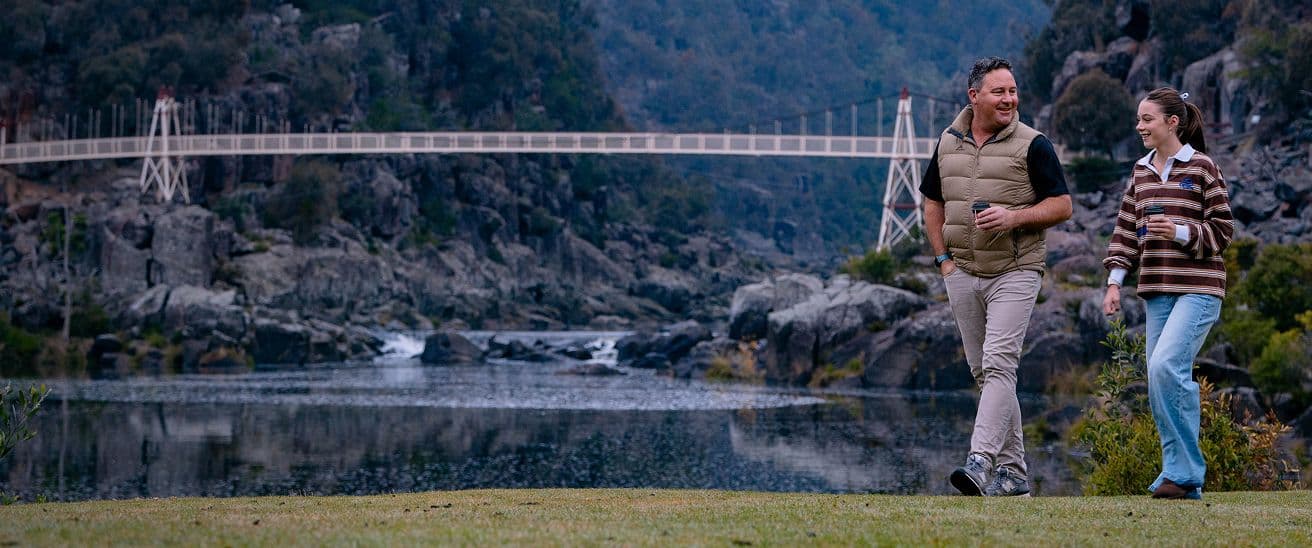
We're an Australian company - and our story started right here in Tasmania.
Years ago, we saw where data centres were heading: drawing more and more power and water, with little regard to conserving resources, or building in genuine sustainability. Back then, as it remains today, we set about to create the most efficient AI infrastucture - something we've been proud to develop over the past 6 years in Launceston.
Using cooling and energy management technology developed and proven right here, Firmus' AI data centres (or 'AI Factories'), are exceptionally energy efficient, use almost no water for cooling throughout the year, and operate well within sound tolerances for general industrial sites and others areas our facilities are located.
A career in Tasmania
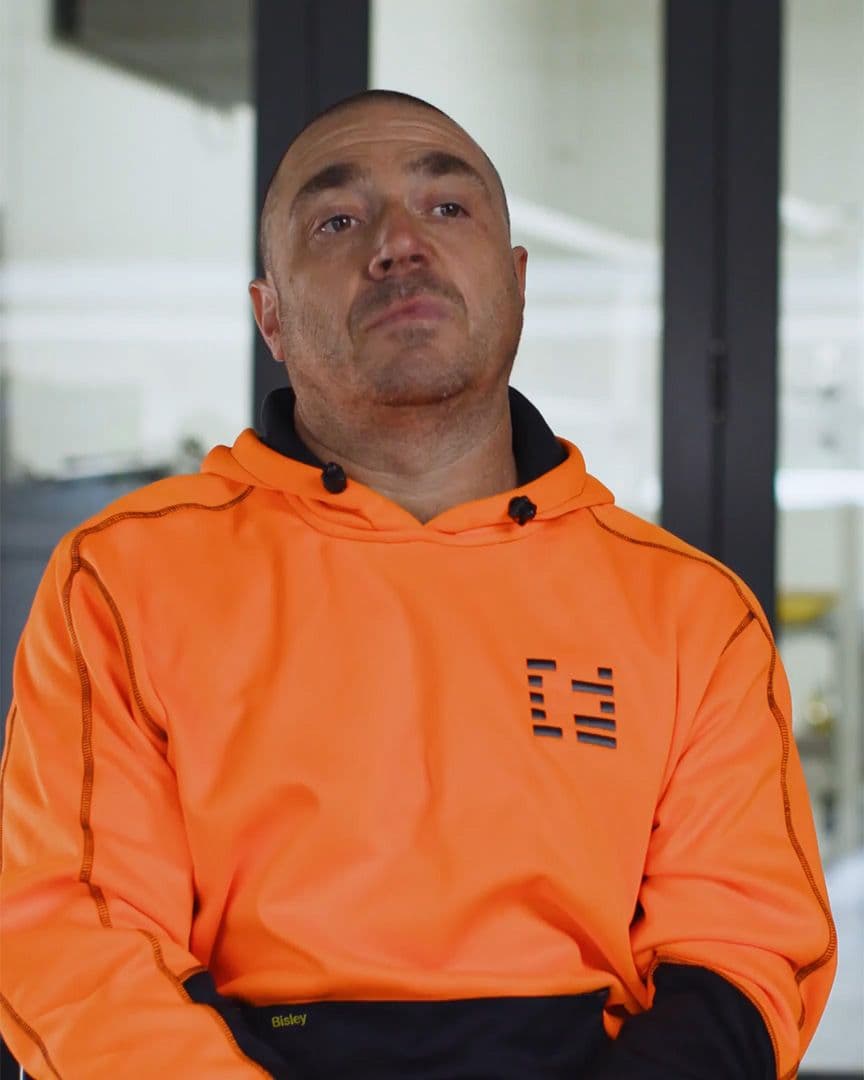
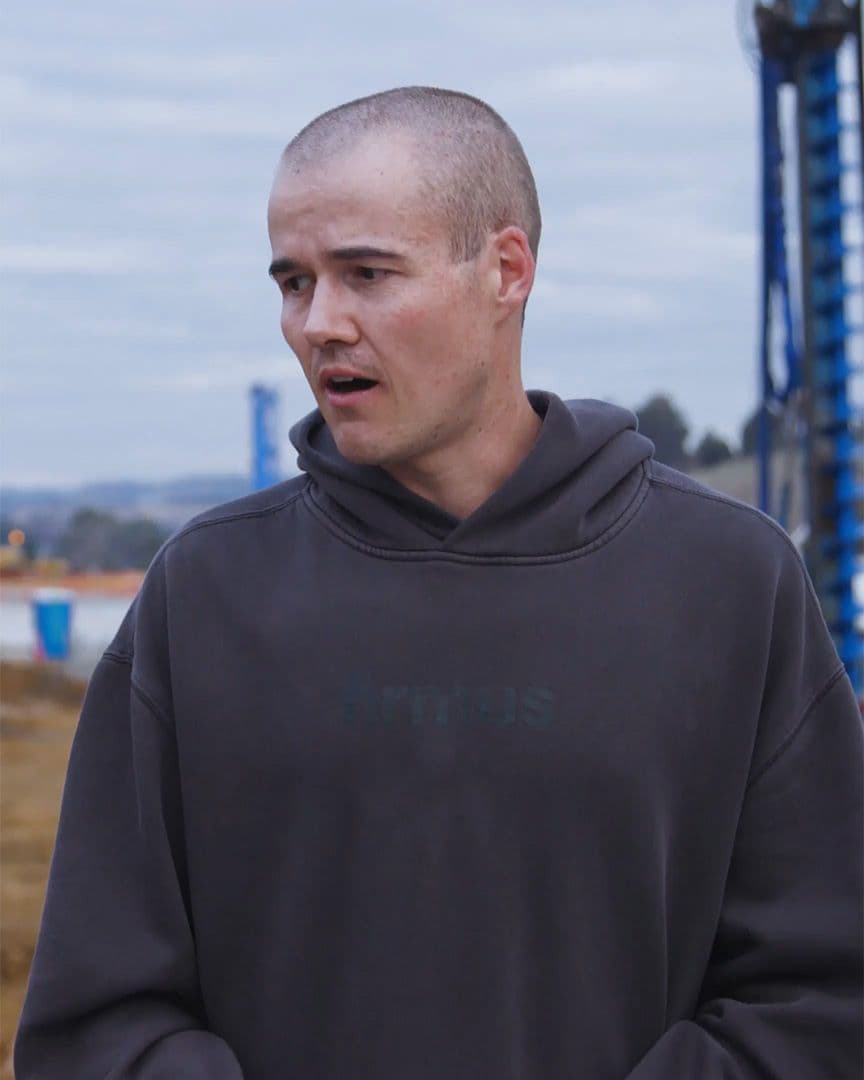
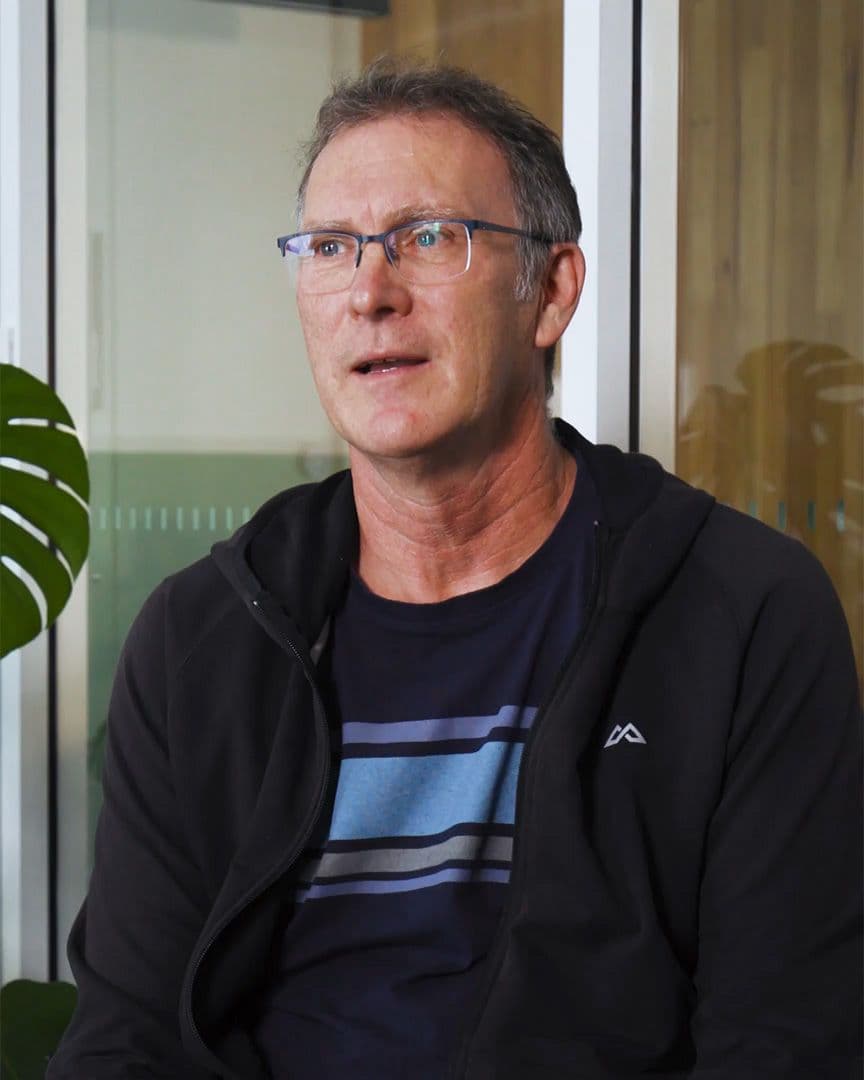
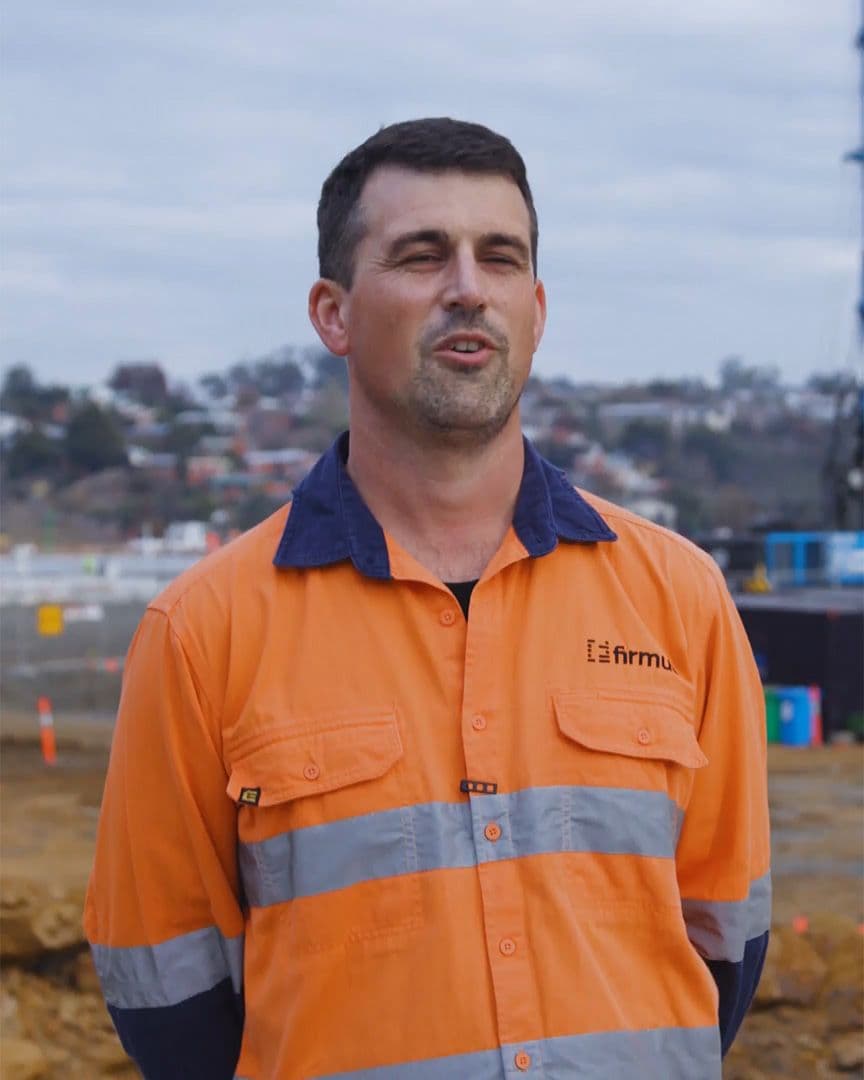
Hear directly from the people building, running and growing our Tasmania sites.
What is an AI Factory?
We've been developing our AI Factory technology in Launceston since 2019.

An AI Factory is a large, purpose-built facility that powers artificial intelligence. It is like a data centre, but built for the specific task of hosting computers that run AI as efficiently as possible. These computers are the technology behind AI chatbots and other AI tools that are becoming part of everyday life – from helping doctors detect disease earlier to improving bushfire and flood prediction to supporting people with disabilities through speech and vision tools.
Firmus AI Factories are designed to use minimal water. They can help to stabilise Tasmania’s energy grid through load control, as more renewable energy like wind and solar is added to the State’s network. Our people are based in the North and the South. They include software, hardware and engineering teams, as well as experts in construction, operations and advanced research and development.
Three sites, one region
We're planning to grow from one site to three across Northern Tasmania


Our commitments
Our energy and water commitments
We pay fair market rates for power and fund the transmission upgrades our sites need. Our cooling systems use almost no water — and what little we do use is treated, reused and never discharged to drain.
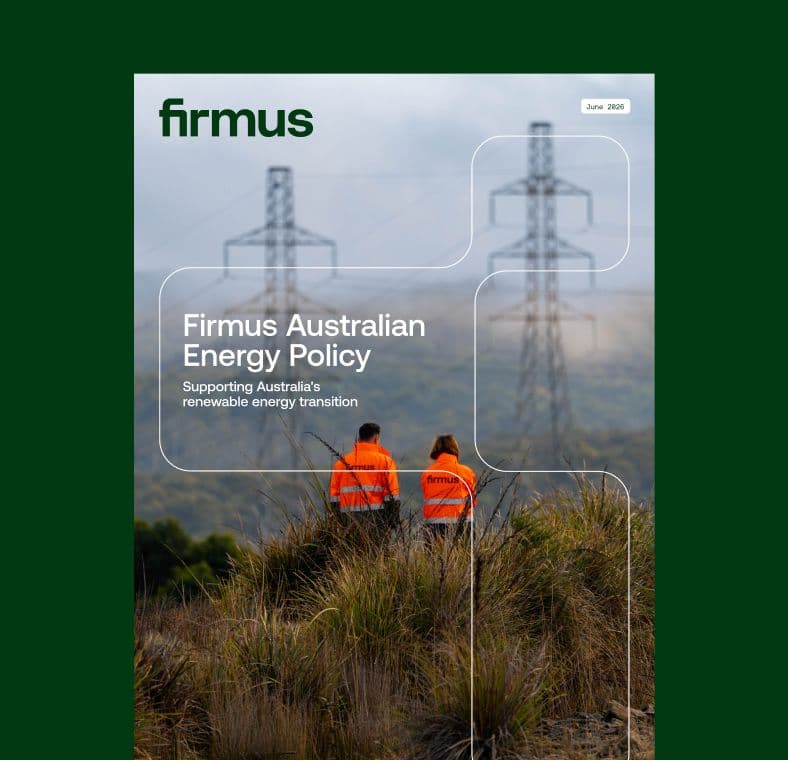
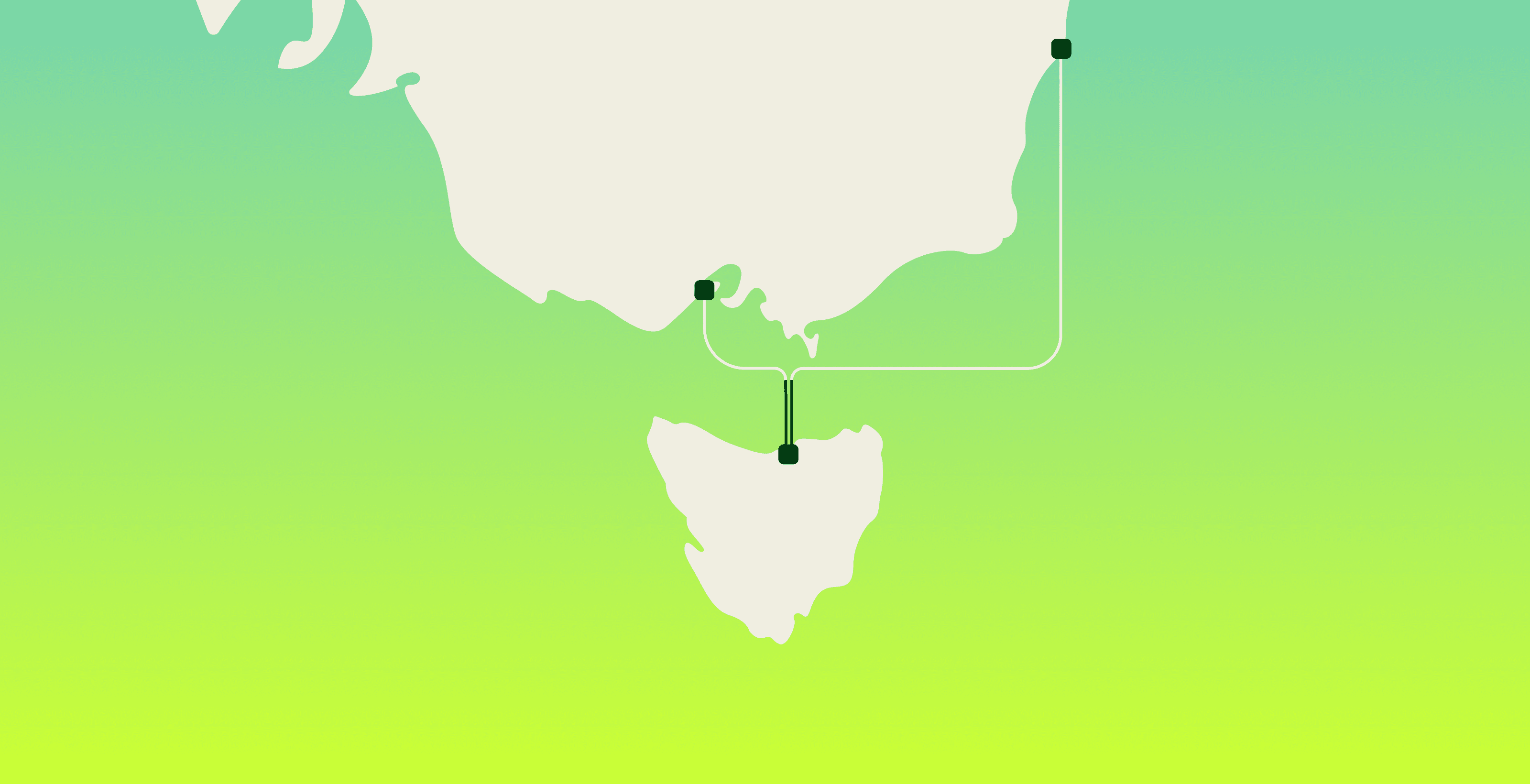
Investing in Connectivity
Firmus and SUBCO are building Bernacchi-1, the state's first new sub-sea fibre connection in over 20 years,connecting Tasmania to mainland Australia.

Community Grants
We fund local groups and projects in the communities where we build. Applications coming soon.
Stay connected
Subscribe to our email list for the latest project and community updates