Our Commitments
We're building some of the most energy-efficient AI factories in the world. But efficiency alone isn't enough. At this scale, how you interact with the grid, how you support Australia's clean energy transition, and how you show up in regional communities matters just as much. Getting that right takes more than good technology. Infrastructure at this scale has to earn its place.
That's why we welcomed the Commonwealth Government's Expectations of AI and Data Centre Developers. They set a clear national bar on energy, water, workforce and community, and our model was built around the same things. The energy and water commitments that follow start there, and go further where we can.
We build efficiently.
We switch off when prices spike.
We invest to strengthen the grid.
We back and build more renewables than we use.
We pay fair market price for energy.
We pay to upgrade the transmission network.
We’re here to support the coal transition.

Policy in Action: South Australia Energy Agreement
In June 2026, we entered into a 12-year electricity supply agreement for our first South Australian AI Factories — 600 MW of load, structured to deliver on the commitments in our energy policy.
12 Years
This is a long-term energy supply agreement, commercially negotiated at arm's length. There are no subsidies, no special deals or government intervention. For a contract this size - a radically different approach - and one that we're exceptionally proud of.
220 Hours
We've made a hard, contractual commitment to step off the South Australian grid entirely whenever spot prices hit a defined threshold, for up to 2.5% of hours per year. In doing so, we have the ability to make a direct positive impact on the resiliency of the grid.
1.5 GWh
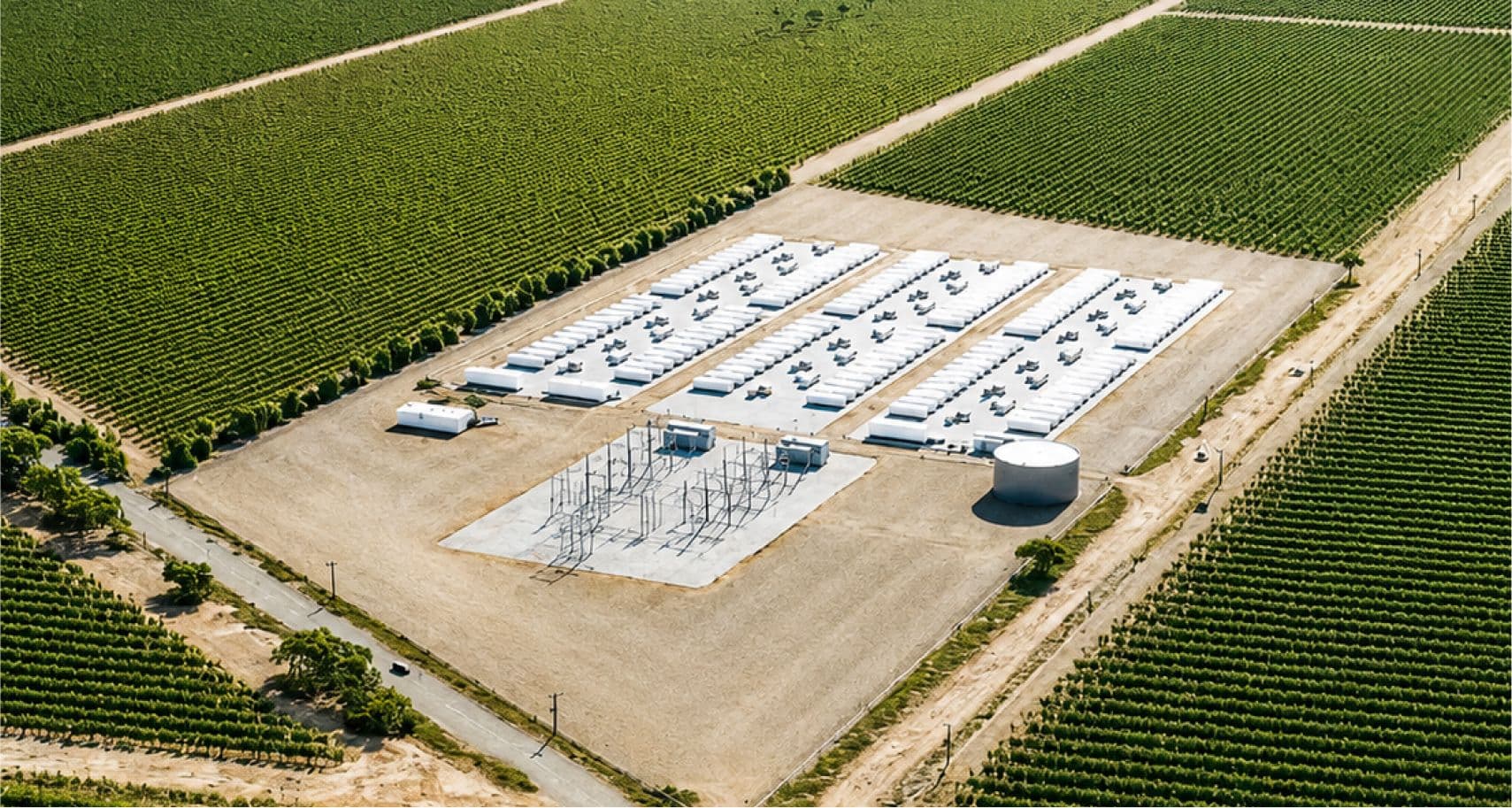
A commitment to underwrite 1.5 GWh of new energy firming capacity in South Australia. More firming assets - large-scale batteries - allows excess renewable energy to be used during periods of low generation. In total, materially improving the resiliency of the State's energy grid.
1.2 GW
We're investing to bring online double the capacity of new renewable than we contract. By 2032, our 600MW power agreement will be responsible for the delivery of 1,200MW (1.2GW) of new renewable generation projects in South Australia.
What about water? We barely use any.
Most traditional data centres use water constantly, every day, as a fundamental part of how they cool their equipment. We've taken a different approach: low water use, by design.
Our water efficiency is the result of three deliberate design decisions: closed-loop liquid cooling technology that removes heat at the processor rather than cooling the surrounding air; a modern facility built without legacy infrastructure constraining the design; and sites chosen across Australia in part because their climatic conditions can support the system.
For example, our Launceston AI Factory in northern Tasmania that is designed to run without using any water for cooling on most days of the year. Water only comes into play when outside temperatures rise above 26°C - which in Launceston happens for about 10 days, per year on average.
Total annual cooling water consumption in Launceston is estimated at around 20 Tasmanian households — up to 99% less than a conventional data centre methods of equivalent scale.